Free royalty-free images for commercial use: what to check
Free images can be used commercially, but free rarely includes releases or protection. Compare 5 sources and run our 7-point check before you use one.
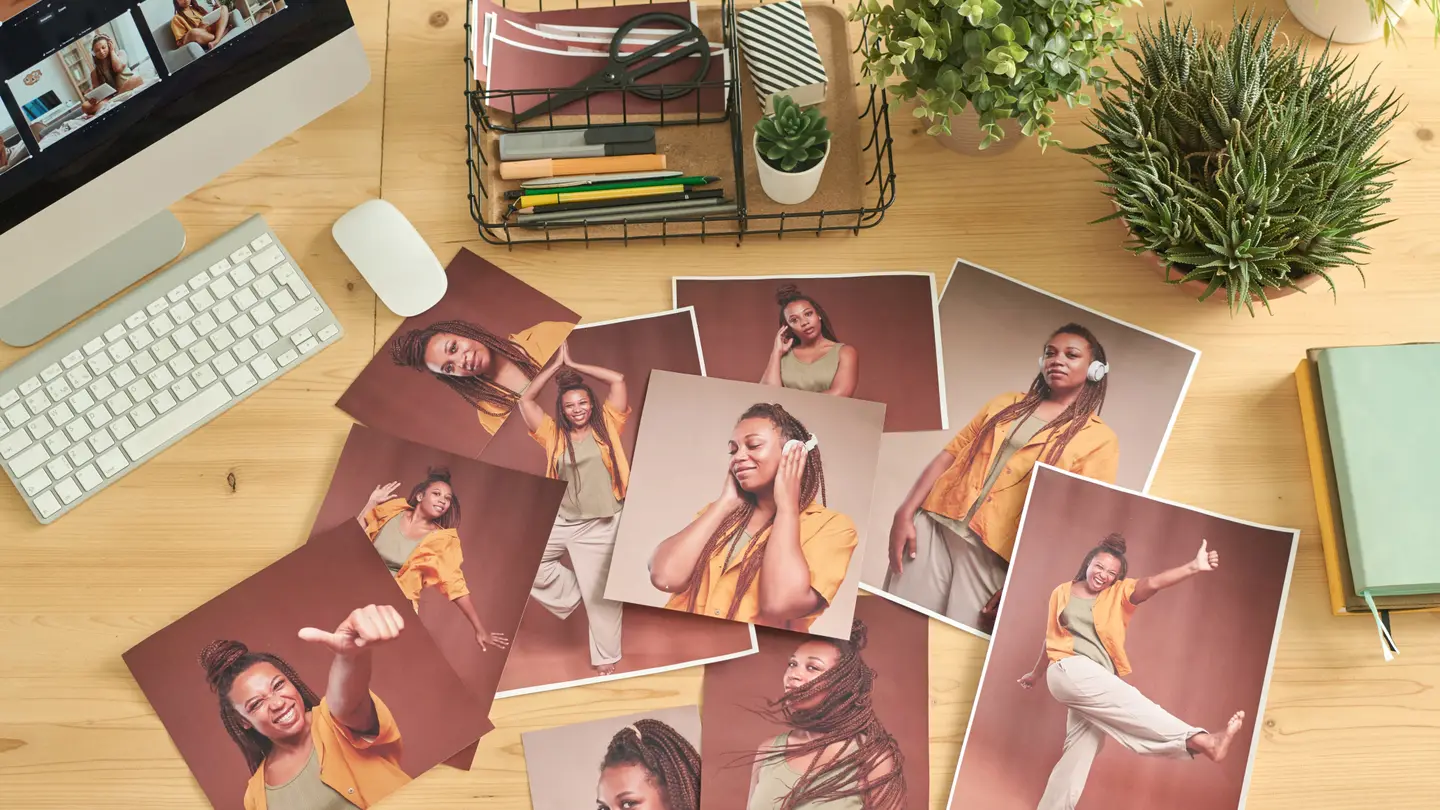
Yes, you can find free royalty-free images for commercial use: public domain (CC0) images, free stock sites with their own licenses, and images you make yourself all qualify. The catch is that “free” almost always means “no promises”: nobody checks the model release, nobody covers you if a claim comes in, and the license may forbid the exact use you have in mind.
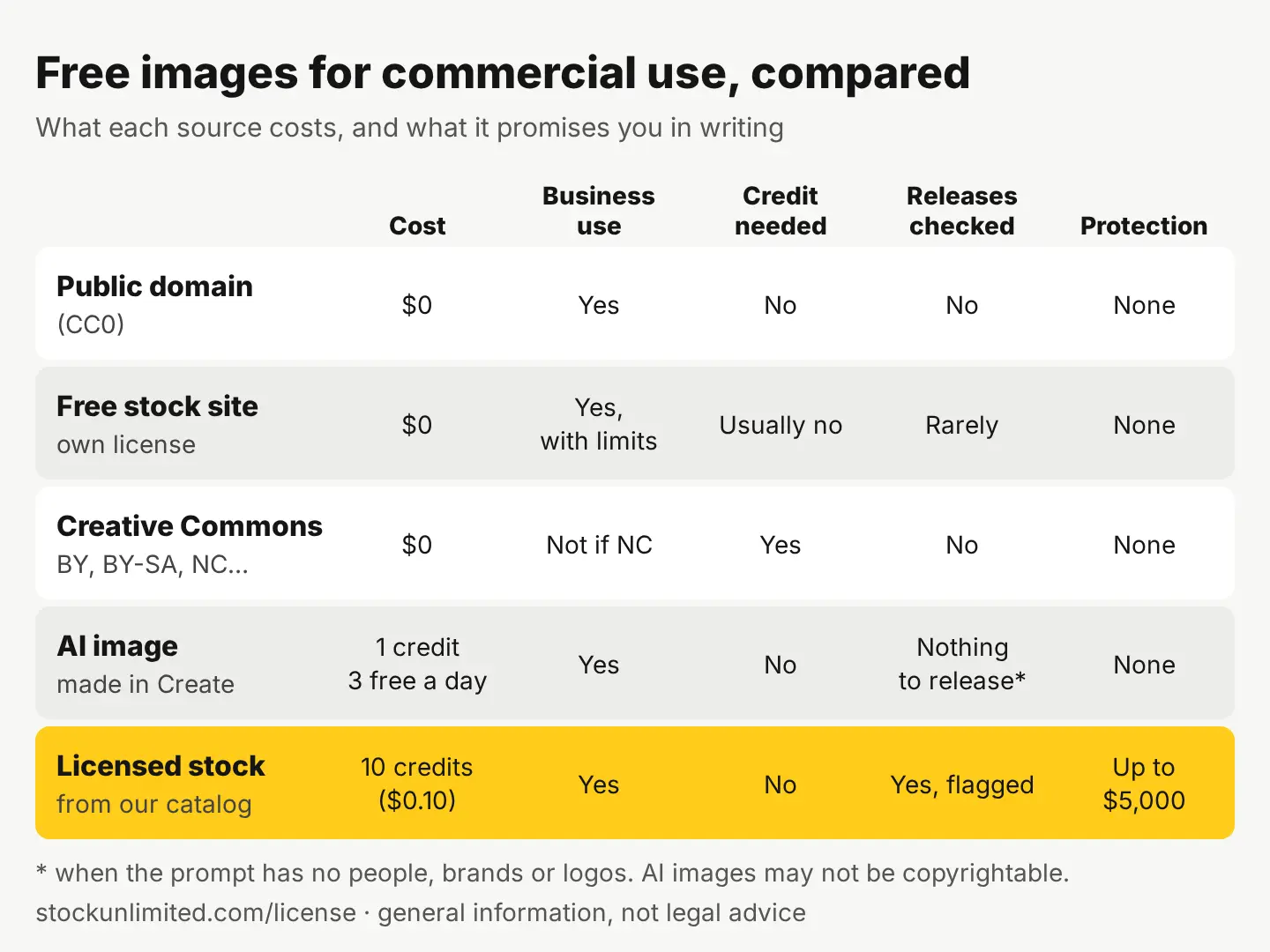
This article explains what “royalty-free” and “free for commercial use” actually mean, compares the four kinds of free (and one very cheap option) side by side, shows one real photo and one AI image we checked or made for this post, and ends with a checklist to run before a free image goes into an ad, a product or a client project.
What does “royalty-free” mean, and is it the same as free?
No. Royalty-free describes how you pay, not how much. You pay once (or nothing), then use the image again and again without paying a royalty each time it’s printed, viewed or sold. Most paid stock photos are royalty-free; so are most free ones.
Free for commercial use is a separate promise: that you may use the image to promote or sell something. And copyright-free usually means public domain: nobody owns the copyright any more, or the owner gave it up.
Three different questions, then:
| Term | What it answers | What it doesn’t answer |
|---|---|---|
| Royalty-free | Do I pay per use? (No) | What the image costs, or what you may do with it |
| Free for commercial use | May I use it in business? (Yes, within the license) | Whether the people and brands in it agreed |
| Public domain / CC0 | Does anyone own the copyright? (No) | Trademarks, privacy and publicity rights |
That last column is where people get caught out.
Where can you get free royalty-free images for commercial use?
There are four realistic sources, and they come with very different fine print.
- Public domain and CC0 images. The creator has given up copyright. The CC0 deed is explicit about the limits: it doesn’t affect anyone’s trademark rights, it doesn’t touch the rights other people may have in how the work is used (privacy and publicity), and the person dedicating it makes no warranties and disclaims liability.
- Free stock sites with their own license. Most let you use photos commercially without credit, but they typically rule out selling the photo unchanged, using recognizable people in a way they wouldn’t agree to, and implying endorsement. Most don’t verify model releases; they rely on the uploader.
- Creative Commons with attribution (CC BY and friends). Free, but you must credit the creator in the way the license asks, and some versions forbid commercial use (NC) or changes (ND). Read the letters.
- Images you make yourself, with a camera or an AI generator. You control what’s in them. With AI, two limits apply, covered below.
And one option that isn’t free but costs very little: a licensed stock photo at 10 credits ($0.10), which comes with releases checked and legal protection. You get 30 free credits when you sign up (no card), so your first three photos cost nothing.
What can go wrong with a free image?
The image itself is rarely the problem. What’s in it is.
- A recognizable person with no model release. Putting a face in an ad can suggest that person endorses your business. If the free site never collected a release, that risk is yours.
- Logos, products and artwork in the frame. A CC0 photo of a street can still show a trademark on a shop sign or a mural someone else painted. The copyright waiver doesn’t cover either.
- Private property and landmarks. Some buildings and interiors need a property release for commercial use.
- The photo wasn’t the uploader’s to give. On open upload sites, someone can post a photo they took from elsewhere. If the real owner complains, “it was on a free site” isn’t a defense, and the free license gives you no protection.
- The license changed. Free sites update their terms. Save a copy of the license page and the image’s page on the day you download it.
None of this means free images are off-limits. It means the safest free images are the ones with nothing to release: textures, food, objects, landscapes without people or signs.
How we check a photo before using it
Here’s the cover of this article, a licensed photo from our catalog. It shows retouched portraits laid out on a desk, so it has recognizable people in it, which is exactly the case where a free image would leave you guessing.
Before using it, we looked at three flags on the photo:
| Check | This photo | Why it matters |
|---|---|---|
| Editorial-only? | No | Editorial-only photos can’t be used in ads or on products |
| Model release? | Yes | The people in the prints agreed to commercial use |
| Property release needed? | No | No private building, artwork or logo in the frame |
With the release in place, this photo is covered by our license for ads, social posts, websites and products, print runs up to 500,000 copies, worldwide, with no expiry, and legal protection up to $5,000 for claims about the photo itself. The one thing it doesn’t allow is reselling the photo on its own. A free image gives you none of those promises in writing.
Are AI images free for commercial use?
AI images you create with us can be used commercially, and each costs 1 credit. Because you get 3 free credits every day after sign-up, that’s up to three images a day for nothing. Here’s one we made for this article with Create:

Notice what’s missing from the prompt: people, brands, logos and text. That keeps it out of the release and trademark problems above, and the empty space on the right leaves room for your headline.
Two limits are different from a stock photo, though:
- No legal protection. A licensed stock photo is covered up to $5,000; an AI image isn’t covered at all.
- It may not be copyrightable. The US Copyright Office concluded in its 2025 report on AI and copyrightability that prompts alone don’t give a person enough control to be the author of the output. Someone could reuse a purely AI-made image, and you may have little to stop them. The text, layout and edits you add yourself are what you can protect.
For more on picking between the two, see stock photo or AI image? How to choose for each job, and for writing a prompt that gets the picture you want, how to write AI image prompts.
A checklist before you use a free image commercially
- Read the actual license, not the badge on the button. Look for “commercial use,” attribution rules and any NC or ND letters.
- Look for people. A recognizable face needs a model release for ads and products. If the site can’t show one, pick another image.
- Scan the edges for logos, product packaging, signs, murals and famous buildings. Crop them out or choose differently.
- Check the uploader. A brand-new account with professional work in many styles is a warning sign.
- Don’t sell the image itself as a print, download or template. Almost every license, free or paid, rules that out.
- Keep a record: the image page, the license text and the date, saved as a PDF or screenshot.
- For anything high-stakes (a national ad, packaging, a client’s brand), use a licensed photo with releases and protection.
Your next step
Sign up for 30 free credits, no card, and search our stock photo catalog for the image you were about to download for free. Check its editorial and release flags the way we did above, and license it for 10 credits. If the photo you need doesn’t exist, make it in Create with your 3 free daily credits. Pricing shows what more credits cost.
This is general information, not legal advice. For the exact terms, read our license.
Questions people ask
- Can I use images from Google search for commercial use?
- Not by default. Most images in search results belong to someone. Use the license filter in image search as a starting point, then open the source page and read its license before you use anything.
- Do I have to credit a free stock photo?
- It depends on the license. CC0 and most free stock sites don't require credit, while Creative Commons BY licenses do. Crediting is good practice either way, but it doesn't replace a model release.
- Can I use a free image for a client project?
- Yes, if its license allows commercial use, but any risk passes to you and your client. For client ads and branding, a licensed photo with a model release and legal protection is the safer choice.
- Is editing a free image enough to make it mine?
- No. Cropping, filters or a new background don't change who owns the original or what its license allows. Your own added text and design can be yours, but the photo underneath keeps its license.
Keep reading
 LicensingCan you use stock photos on merch? What the license allowsYes: T-shirts, mugs, stickers and print-on-demand are covered up to 500,000 copies. Selling the photo itself isn't. The line, an example and a checklist.
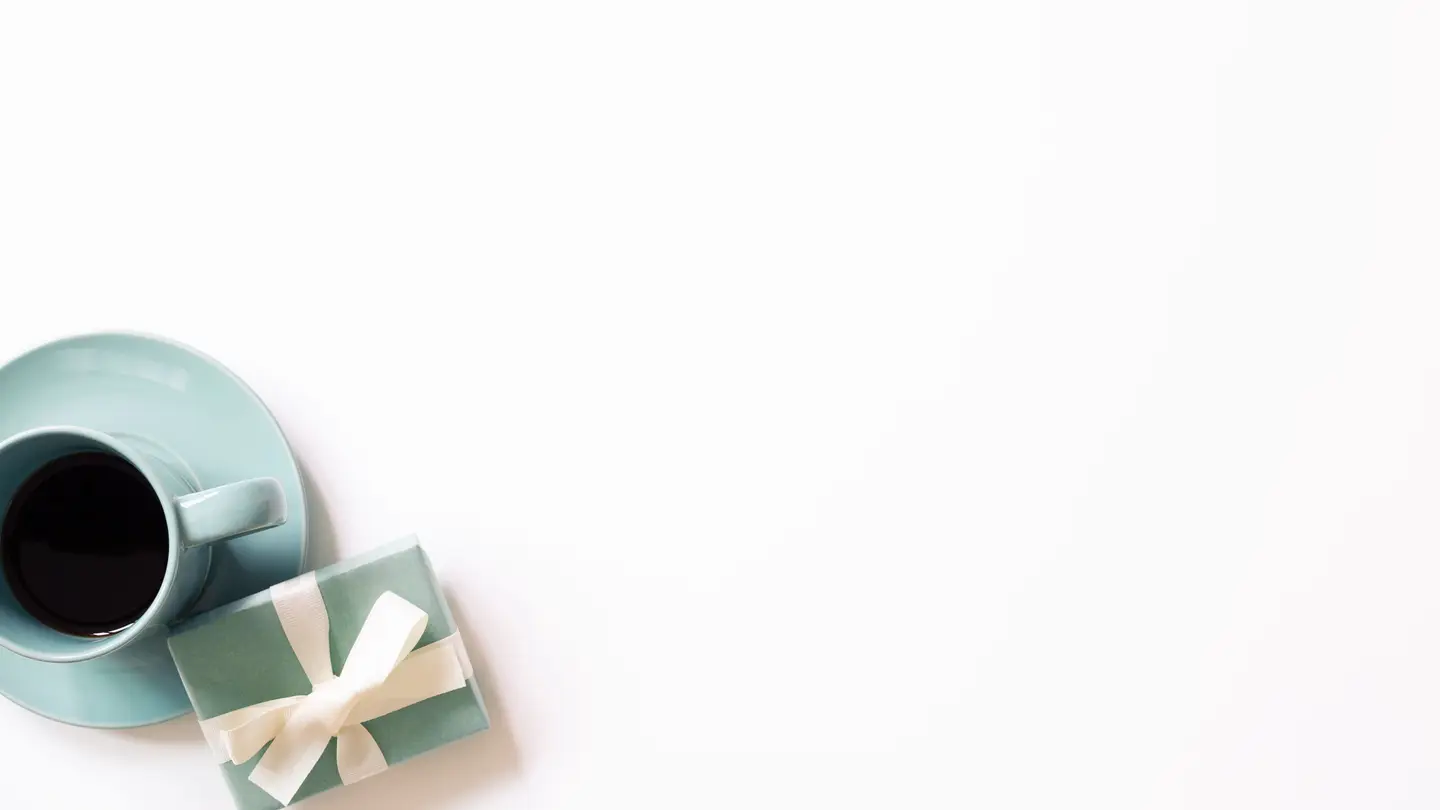 Photo editingHow to remove a white background from an image, freeCut out the subject with a free background remover and save it as a PNG. Steps, the white-halo fix, and a real background swap example.
 By industryWhat photos does a café or bakery need? Shot list and sizesYour own photos for the menu and the shop, stock or AI images only for mood and backgrounds. The full shot list, sizes, and a month of images for 62 credits.